Wellness isn’t just about feeling good—it’s about living your best life every single day. Imagine waking up with more energy, handling stress with ease, and enjoying deeper connections with the people around you.That’s what true wellness offers. It touches every part of your life—your body, mind, emotions, and even your sense of purpose. If you’re …

Wellness isn’t just about feeling good—it’s about living your best life every single day. Imagine waking up with more energy, handling stress with ease, and enjoying deeper connections with the people around you.
That’s what true wellness offers. It touches every part of your life—your body, mind, emotions, and even your sense of purpose. If you’re ready to discover simple, powerful ways to boost your well-being and create lasting balance, this article is for you.
Keep reading to unlock the secrets of wellness that can transform how you feel and live.
Credit: www.talkspace.com
Wellness Dimensions
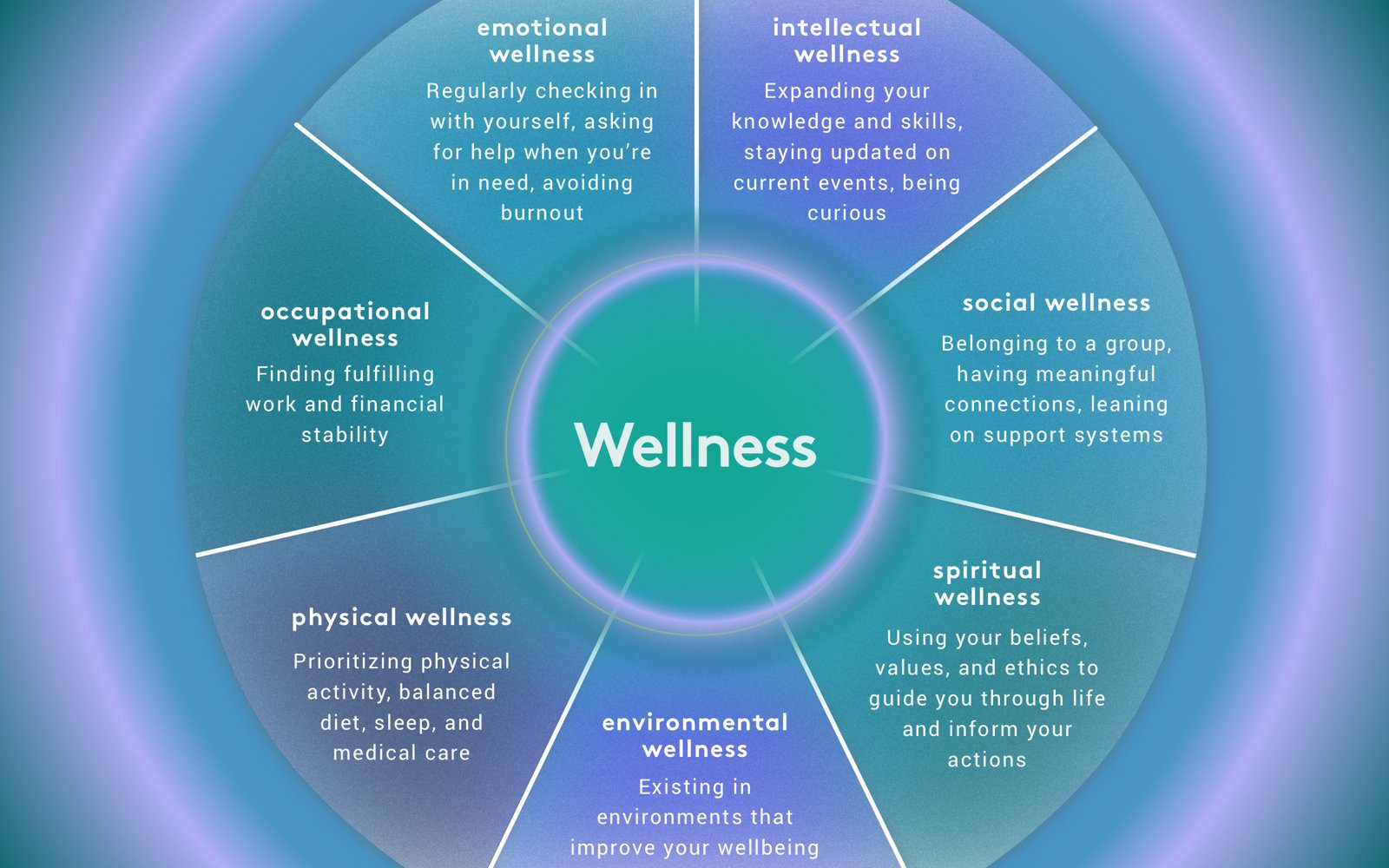
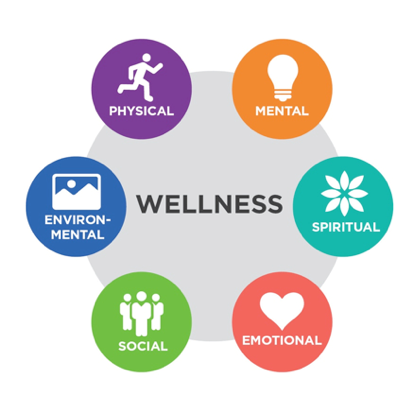
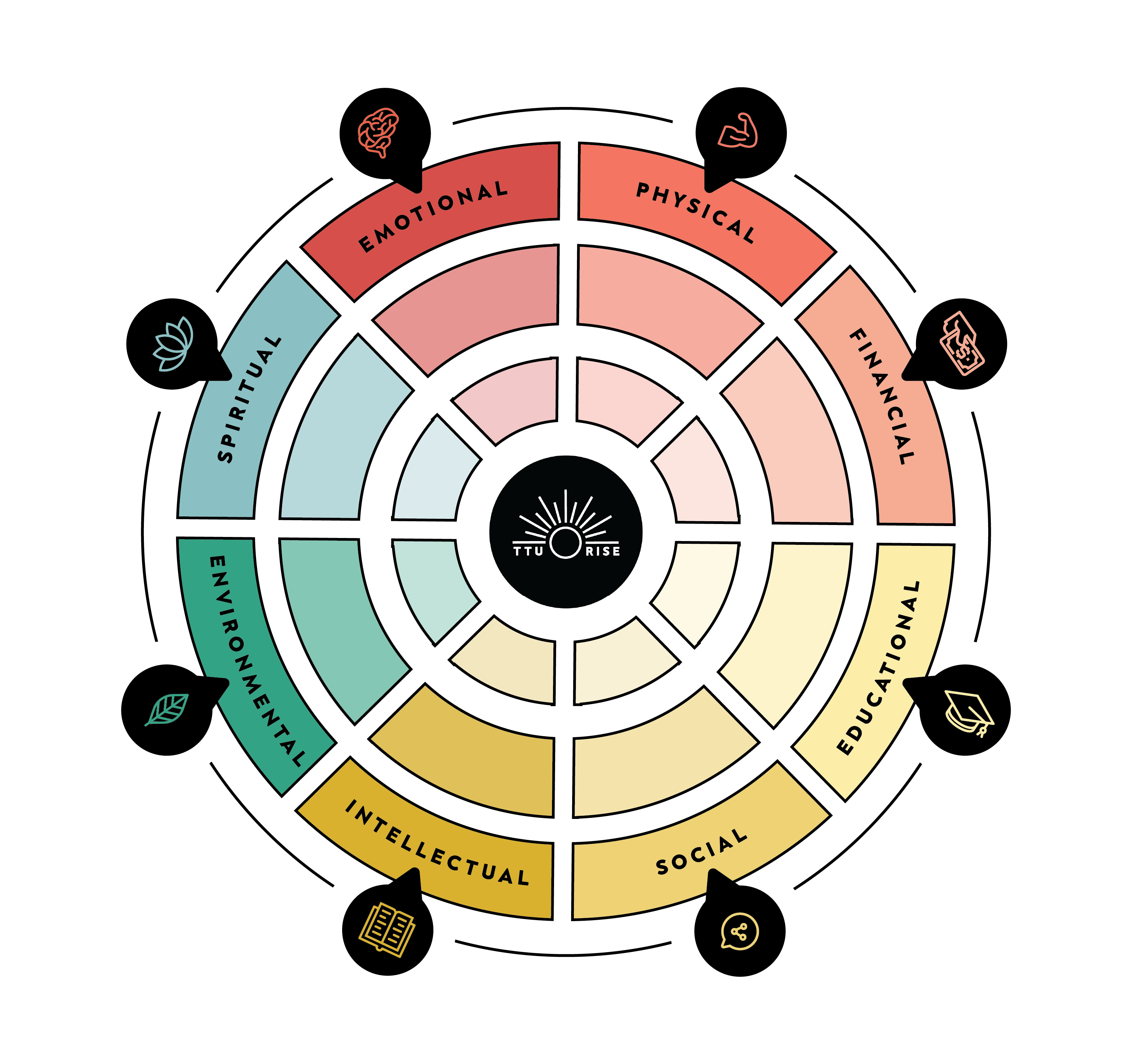
Wellness is a balanced integration of multiple life areas. These areas, called wellness dimensions, shape your overall health. Focusing on each dimension helps create harmony in body, mind, and spirit. Understanding these dimensions guides you toward a healthier lifestyle.
Physical Wellness
Physical wellness means caring for your body. Eat nutritious food, exercise regularly, and get enough sleep. Avoid harmful habits like smoking or excess drinking. Keeping your body strong boosts energy and reduces illness risk.
Emotional Wellness
Emotional wellness involves managing your feelings well. Recognize and express emotions in healthy ways. Handle stress with calm and seek help if needed. Positive self-esteem and happiness improve your mental state.
Social Wellness
Social wellness is about building strong relationships. Spend time with family and friends who support you. Communicate openly and listen to others. A good social network brings comfort and reduces loneliness.
Spiritual Wellness
Spiritual wellness gives your life purpose and meaning. It may include faith, meditation, or personal values. Connecting with something bigger than yourself brings peace. This dimension supports inner strength and hope.
Intellectual Wellness
Intellectual wellness means keeping your mind active and curious. Learn new skills, read books, and solve problems. Challenging your brain helps you grow and adapt. It also improves decision-making and creativity.
Environmental Wellness
Environmental wellness focuses on your surroundings. Keep your living and work spaces clean and safe. Respect nature and reduce waste to protect the planet. A healthy environment supports your physical and mental health.
Occupational wellness relates to your job satisfaction and balance. Find work that matches your skills and values. Manage stress and maintain work-life balance. Feeling fulfilled at work improves overall happiness.
Physical Health Habits
Physical health habits form the foundation of overall wellness. Strong habits support the body’s strength, energy, and resilience. These routines help prevent illness and boost daily performance.
Building good physical health habits means focusing on key areas. Proper nutrition, regular exercise, quality sleep, and avoiding harmful substances play vital roles. Each of these areas contributes to a healthier, happier life.
Nutrition Tips
Eating a balanced diet nourishes the body and mind. Choose whole foods like fruits, vegetables, and whole grains. Limit processed foods high in sugar, salt, and unhealthy fats. Drink plenty of water to stay hydrated and support digestion. Small, frequent meals help maintain energy levels throughout the day.
Exercise Routines
Regular physical activity keeps muscles strong and heart healthy. Aim for at least 30 minutes of moderate exercise most days. Activities like walking, cycling, or swimming improve stamina and mood. Include strength training twice a week to build muscle and bone health. Stretching enhances flexibility and reduces injury risk.
Sleep Importance
Sleep repairs the body and refreshes the mind. Adults need 7 to 9 hours of quality sleep each night. Create a calming bedtime routine to improve sleep quality. Avoid screens and heavy meals before sleeping. A dark, quiet room helps the body relax and rest deeply.
Avoiding Harmful Substances
Steering clear of tobacco, excessive alcohol, and drugs protects the body from damage. These substances increase the risk of many diseases. Choose healthy alternatives like herbal teas or fresh air breaks. Reducing exposure to harmful chemicals supports long-term wellness. Safe habits build a stronger, healthier body every day.
Emotional Balance
Emotional balance is a key part of overall wellness. It helps you handle daily challenges calmly. When your emotions are steady, life feels clearer and more manageable. Emotional balance supports better decisions and healthier relationships. It creates a peaceful mind and a stronger sense of self.
Maintaining emotional balance takes practice. It involves understanding your feelings and learning ways to control stress. Small steps each day build emotional strength. This section explores simple methods to keep your emotions steady and positive.
Managing Stress
Stress affects both body and mind. Managing stress lowers health risks and improves mood. Start by noticing what causes your stress. Try deep breathing or short breaks during busy days. Exercise helps release tension and boosts energy. Sleep well to keep stress at bay. Avoid too much caffeine or screen time before bed.
Building Self-esteem
Self-esteem is how you value yourself. Strong self-esteem makes you more resilient to stress. Focus on your strengths and achievements. Speak kindly to yourself and avoid harsh criticism. Set small goals and celebrate progress. Surround yourself with positive people who support you. Remember, everyone makes mistakes—they are chances to learn.
Coping Strategies
Coping strategies help you handle difficult emotions. Find healthy ways to express feelings, like journaling or talking to a friend. Practice mindfulness to stay present and calm. Use problem-solving skills to face challenges step by step. Avoid harmful habits like overeating or isolating yourself. Seek professional help if feelings become overwhelming. Simple habits build emotional strength over time.
Credit: globalwellnessinstitute.org
Social Connections
Social connections play a vital role in overall wellness. They provide a sense of belonging and improve mental health. Strong social ties help reduce stress and promote happiness. Building and maintaining relationships takes effort but offers great rewards.
Building Relationships
Start by meeting new people in your community or workplace. Show genuine interest in others and listen carefully. Small acts of kindness can create trust and deepen bonds. Spending time together regularly keeps relationships strong. Friendships improve your mood and help you feel supported.
Support Networks
A support network includes friends, family, and colleagues who care for you. They offer help during tough times and celebrate your successes. Having people to share your feelings with reduces loneliness. Support networks boost resilience and encourage positive choices. Keep in touch and be ready to offer help too.
Communication Skills
Good communication builds stronger social connections. Speak clearly and listen without interrupting. Express your thoughts and feelings honestly but kindly. Ask questions to show you care and understand others. Nonverbal signals like eye contact and smiling matter. Improving communication creates trust and deepens relationships.
Spiritual Growth
Spiritual growth is a vital part of overall wellness. It helps you connect with your inner self and find deeper meaning. This connection brings peace and balance to everyday life. Growing spiritually supports mental and emotional health. It encourages calmness and resilience during challenges.
Finding Purpose
Finding purpose gives life direction and motivation. It means knowing what matters most to you. Purpose helps you set goals and make decisions with confidence. It gives a sense of fulfillment and joy. When you live with purpose, you feel more connected to the world.
Practicing Mindfulness
Mindfulness means paying full attention to the present moment. It helps you notice your thoughts and feelings without judgment. Practicing mindfulness reduces stress and improves focus. It creates space to respond calmly instead of reacting quickly. This simple habit deepens your spiritual awareness.
Faith And Hope
Faith supports trust in something greater than yourself. It offers comfort in difficult times and builds inner strength. Hope keeps you looking forward to better days. Together, faith and hope inspire courage and positivity. They nourish your spirit and help you move forward with confidence.
Intellectual Engagement
Intellectual engagement is a key part of overall wellness. It keeps the mind sharp and helps us adapt to new situations. Staying mentally active supports emotional balance and personal growth. It also reduces the risk of cognitive decline as we age.
Lifelong Learning
Learning does not stop after school. It continues throughout life. Taking courses, reading books, and exploring new topics all boost brain health. Lifelong learning builds confidence and opens doors to new opportunities. It encourages curiosity and keeps the mind flexible.
Creative Thinking
Creative thinking allows us to see problems in new ways. It inspires fresh ideas and solutions. Activities like drawing, writing, or playing music promote creativity. This type of thinking helps break routines and reduces stress. It also enhances problem-solving skills in daily life.
Mental Stimulation
Mental stimulation involves challenging the brain regularly. Puzzles, games, and brain teasers are great examples. These activities improve memory, focus, and processing speed. Keeping the brain active supports mental clarity and alertness. It is a simple way to maintain cognitive health every day.
Environmental Awareness
Environmental awareness plays a vital role in overall wellness. It is the understanding of how the environment affects our health and well-being. Small changes in our surroundings can lead to big improvements in how we feel. Being mindful of the environment helps us create spaces that support both body and mind.
Creating Healthy Spaces
Healthy spaces reduce stress and improve mood. Clean air, natural light, and plants make rooms feel fresh. Avoiding toxic chemicals in cleaning and decor keeps indoor air safe. Arranging furniture for comfort and ease supports relaxation. These simple steps help build a space where wellness can thrive.
Sustainability Practices
Choosing sustainable products protects the earth and our health. Using less plastic and recycling lowers pollution. Saving energy with efficient appliances cuts harmful emissions. Growing your own food or buying local cuts down on waste. These habits create a balance between living well and caring for the planet.
Connecting With Nature
Spending time outdoors boosts mental and physical health. Nature walks calm the mind and reduce anxiety. Fresh air and sunlight improve sleep and energy. Gardening or caring for plants brings joy and focus. Regular contact with nature helps us feel grounded and refreshed.
Occupational Wellness
Occupational wellness means feeling good about your work and balancing it well with your life. It helps you stay happy, healthy, and motivated. Having a job that fits your skills and interests brings joy. Managing work stress keeps your mind clear and body healthy. Let’s explore key parts of occupational wellness.
Work-life Balance
Work-life balance is about giving time to both your job and personal life. It stops work from taking over your free time. Setting clear work hours and breaks helps you rest. Spending time with family and friends boosts your mood. A good balance keeps you energized and focused.
Career Satisfaction
Career satisfaction means liking what you do and feeling proud of it. Doing tasks that match your skills makes work easier. Learning new things keeps your job interesting. Feeling valued by your team and bosses adds happiness. When you enjoy your career, you feel more confident and calm.
Stress Management At Work
Work can sometimes cause stress, which affects your health. Managing stress means finding ways to stay calm and relaxed. Taking short breaks during work refreshes your mind. Deep breathing or stretching can reduce tension quickly. Talking to coworkers or supervisors about problems helps too. Lower stress means better focus and energy.
Wellness Practices
Wellness practices help maintain balance in body and mind. They improve health and increase energy. Adopting simple habits supports long-term well-being. Small daily actions create big health benefits over time.
Relaxation Techniques
Relaxation lowers stress and calms the mind. Deep breathing is an easy way to relax anytime. Listening to soft music helps reduce tension. Taking short breaks during work refreshes your focus. Meditation clears your thoughts and boosts mood. These methods improve sleep and reduce anxiety.
Mind-body Exercises
Mind-body exercises connect physical movement with mental focus. Yoga strengthens muscles and improves flexibility. Tai Chi uses slow, flowing movements to enhance balance. Pilates builds core strength and promotes posture. These exercises increase body awareness and reduce stress. Practicing regularly improves both mental and physical health.
Routine Checkups
Routine checkups detect health issues early. Visiting your doctor helps track important health markers. Regular screenings prevent serious illnesses before symptoms appear. Dental visits keep your mouth healthy and prevent problems. Eye exams ensure good vision and detect diseases. Staying up-to-date with checkups supports long-term wellness.
Credit: www.depts.ttu.edu
Tracking Progress
Tracking progress is essential for maintaining wellness. It helps you see how far you have come and what needs more attention. Regularly checking your progress keeps you motivated and focused on your goals. It also allows you to make changes that better fit your lifestyle.
Setting Wellness Goals
Start by defining clear and simple wellness goals. Choose goals that are realistic and meaningful to you. Break large goals into small, manageable steps. This approach makes it easier to stay committed and notice improvements. Write your goals down to make them feel more real and achievable.
Using Journals And Apps
Use journals or wellness apps to track your daily habits and feelings. Journals let you record your thoughts, meals, exercise, and sleep patterns. Apps can send reminders and show progress charts. Both tools help you understand your habits better and stay accountable. Pick the method that fits your style and stick with it.
Celebrating Milestones
Recognize and celebrate your achievements, no matter how small. Celebrations boost your confidence and encourage continued effort. Set rewards for reaching milestones, such as a favorite activity or a relaxing break. Sharing your success with friends or family adds extra motivation. Every step forward is a step toward better wellness.
Frequently Asked Questions
What Is The Definition Of Wellness?
Wellness means actively maintaining good physical, mental, and emotional health. It involves balanced lifestyle choices and positive habits.
What Are The 4 Types Of Wellness?
The four types of wellness are Physical, Emotional, Social, and Spiritual. They support overall health and balance in life.
What Are The 7 Types Of Wellness?
The seven types of wellness are physical, emotional, intellectual, spiritual, environmental, social, and occupational wellness.
What Best Describes Wellness?
Wellness means maintaining good physical, mental, emotional, and social health. It involves balancing these areas for overall well-being.
Conclusion
Wellness means caring for your body and mind every day. Small steps like eating well and resting help a lot. Connecting with others brings joy and support. Finding purpose gives life more meaning and strength. Balance in these areas improves how you feel and live.
Choose simple habits that make you feel better. Wellness is a journey, not a quick fix. Keep going, and your health will grow stronger.